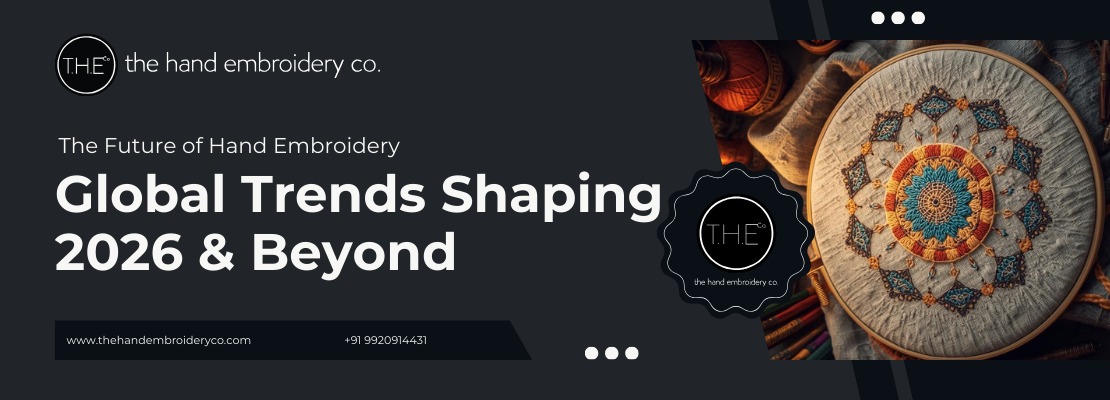
The Revival of Handcrafted Luxury
In a world dominated by fast fashion and automation, hand embroidery is emerging as a powerful symbol of authenticity, craftsmanship, and sustainable luxury . Once considered a traditional art form, hand embroidery is now redefining global fashion, interior décor, and luxury design. As we move into 2026 and beyond, the future of hand embroidery looks brighter than ever—driven by evolving consumer preferences, technological innovation, sustainability, and cultural storytelling.
From couture fashion houses to independent designers, brands across the globe are rediscovering the value of handmade embroidery. Companies like The Hand Embroidery Company highlight how traditional artisan techniques can merge with modern design to create timeless, bespoke masterpieces.
This blog explores the future of hand embroidery, global market trends, and the forces shaping handmade fashion in the coming decade.
Global Embroidery Market: Growth and Opportunities
The embroidery industry is witnessing steady global expansion. According to industry research, the global embroidery market was valued at around USD 1.63 billion in 2025 and is expected to reach nearly USD 2.95 billion by 2035, growing at a CAGR of about 6.1%.
Similarly, forecasts suggest that the market will continue expanding due to rising demand for customization, sustainable fashion, and digital embroidery technologies.
Key drivers shaping the global embroidery market include:
- Rising demand for personalized and custom-designed products
- Growth in luxury fashion and premium apparel
- Expansion of e-commerce and global fashion brands
- Increasing preference for sustainable and handmade textiles
Interestingly, industry data shows that 54% of consumers prefer embroidered fashion , while 68% of apparelmanufacturersintegrate embroidery for branding and design purposes.
These statistics clearly indicate that embroidery is not just a decorative element—it is becoming a strategic tool for brand identity and differentiation.
Related Article - A Beginner’s Guide to Hand Embroidery and Custom Designs
Handmade Fashion Future: From Fast Fashion to Slow Luxury
The Shift in Consumer Mindset
The global fashion industry is undergoing a major transformation. Consumers today are more conscious about sustainability, authenticity, and ethical production. Handmade fashion aligns perfectly with these values.
The trend toward personalization and customization is expected to dominate 2026. Fashion experts highlight that embroidered and personalized products are becoming increasingly popular as consumers seek individuality and uniqueness.
This shift reflects a broader movement away from mass-produced garments toward handcrafted, meaningful fashion.
Why Handmade Fashion Is Winning
The future of handmade fashion is driven by several powerful factors:
- Authenticity: Handmade embroidery tells a story and reflects cultural heritage.
- Exclusivity: Each handcrafted piece is unique , unlike machine-made designs .
- Sustainability: Handmade production often has a lower environmental footprint.
- Emotional Value: Consumers connect emotionally with artisan-made products.
These factors explain why luxury brands and designers are increasingly integrating hand embroidery into their collections.
Sustainability: The Core of the Future of Embroidery
Eco-Friendly Materials and Ethical Production
Sustainability is no longer a trend—it is a necessity. The fashion industry is under pressure to reduce environmental impact and adopt ethical practices.
Reports show that eco-friendly and recycled threads are gaining popularity, with a growing number of embroidery producers adopting sustainable materials.
Fashion events and industry leaders emphasize that consumers want clothing that reflects their values, including ethical labor and environmental responsibility.
Hand embroidery naturally supports sustainability because:
- It relies on skilled human craftsmanship rather than energy-intensive machines
- It promotes slow fashion and long-lasting products
- It supports artisan communities and traditional skills
As sustainability becomes a key purchasing factor, hand embroidery will play a critical role in shaping the future of fashion.
Related Article - How to Choose the Right Hand Embroidery for Your Style or Space
Technology Meets Tradition: The Hybrid Future
Digital Tools and AI in Embroidery
Technology is not replacing hand embroidery—it is enhancing it. The integration of digital design tools, AI, and smart textiles is transforming the embroidery industry.
Industry research shows that automation and digital design integration are improving productivity and customization capabilities across embroidery workshops.
At the same time, studies highlight that AI and metaverse technologies have the potential to revolutionize the fashion industry by improving design, manufacturing, and customer experience.
The Rise of Hybrid Embroidery
The future lies in a hybrid model where:
- Designers use digital tools to create intricate patterns
- Artisans bring those designs to life through hand embroidery
- Brands combine machine efficiency with handcrafted artistry
This fusion ensures scalability without compromising craftsmanship.
Cultural Heritage and Globalization
The Global Appeal of Traditional Embroidery
Hand embroidery is deeply rooted in cultural heritage across regions such as India , China, the Middle East, and Europe. As globalization expands, traditional embroidery styles are gaining global recognition.
The demand for artisan and heritage-inspired fashion is increasing, particularly among younger consumers who value cultural storytelling and authenticity.
For example, ethnic and artisan fashion markets are experiencing growth driven by fusion styles, sustainable fabrics, and handcrafted designs.
This global appreciation of traditional craftsmanship ensures that hand embroidery will remain relevant in modern fashion.
Customization and Personalization: The Future of Fashion
Personalization is one of the biggest trends shaping the future of hand embroidery.
Market data indicates that customized embroidery services are growing rapidly, reflecting consumer demand for unique products.
Customization is transforming multiple industries, including:
- Fashion and luxury apparel
- Home décor and interiors
- Corporate branding and uniforms
- Accessories and lifestyle products
Hand embroidery allows brands to create personalized designs that resonate with individual customers, making it a powerful tool for premium branding.
Related Article - Custom Hand Embroidery for Brides: A Timeless Wedding Trend
The Role of Artisans in the Future Economy
Empowering Artisan Communities
Hand embroidery is not just an art—it is a livelihood for millions of artisans worldwide. The handicraft industry plays a crucial role in employment and economic development, especially in developing countries.
Research highlights that integrating modern design with traditional crafts is essential for the survival and growth of artisan industries in the global market.
Companies like The Hand Embroidery Company emphasize ethical production and artisan craftsmanship, combining tradition with modern design to deliver bespoke embroidery solutions.
By supporting hand embroidery, brands contribute to:
- Skill preservation
- Rural employment
- Cultural sustainability
- Inclusive economic growth
Key Trends Shaping the Future of Hand Embroidery
Rise of Luxury Handmade Fashion
Luxury brands are increasingly investing in handcrafted embroidery to differentiate themselves in a competitive market.
Growth of Sustainable and Ethical Fashion
Consumers are prioritizing eco-friendly and ethical products, boosting demand for handmade embroidery.
Expansion of Global Markets
Asia-Pacific leads embroidery production, while Europe and North America drive demand for luxury embroidered products.
Digital Transformation
AI, automation, and digital design tools are reshaping the embroidery industry.
Personalization and Customization
Customized embroidery is becoming a key differentiator in fashion and branding.
Cultural Revival
Traditional embroidery techniques are gaining global recognition and modern reinterpretation.
Related Article - Indian Embroidery Through the Ages: From Royal Attire to Global Fashion
Challenges Facing the Hand Embroidery Industry
Despite its growth, the industry faces several challenges:
- Rising raw material costs
- Shortage of skilled artisans
- Competition from machine embroidery
- Pressure from fast fashion brands
Industry reports indicate that many embroidery firms struggle with high material costs and labor shortages.
However, these challenges also create opportunities for innovation, training, and sustainable practices.
The Future Outlook: What Lies Ahead?
The future of hand embroidery is not about competing with machines—it is about redefining value.
In the coming years, hand embroidery will:
- Become a symbol of luxury and authenticity
- Play a major role in sustainable fashion
- Integrate with technology and digital design
- Expand into new industries like interior design and lifestyle products
- Strengthen global artisan networks
As consumers increasingly value craftsmanship, storytelling, and sustainability, hand embroidery will continue to thrive as a timeless art form and a modern luxury .
Hand Embroidery as the Future of Fashion
The future of hand embroidery is a perfect blend of tradition and innovation. As global fashion evolves, handcrafted embroidery is emerging as a powerful force shaping luxury , sustainability, and personalization.
From global market growth to cultural revival, from digital transformation to artisan empowerment, hand embroidery is not just surviving—it is redefining the future of fashion.
Brands that embrace handcrafted artistry today will lead the fashion industry tomorrow.
If you are looking to explore bespoke embroidery solutions that combine heritage craftsmanship with modern design, companies like The Hand Embroidery Company are setting new standards in the global embroidery industry.